Fintech Art for FIRE: Weighing the Pros and Cons
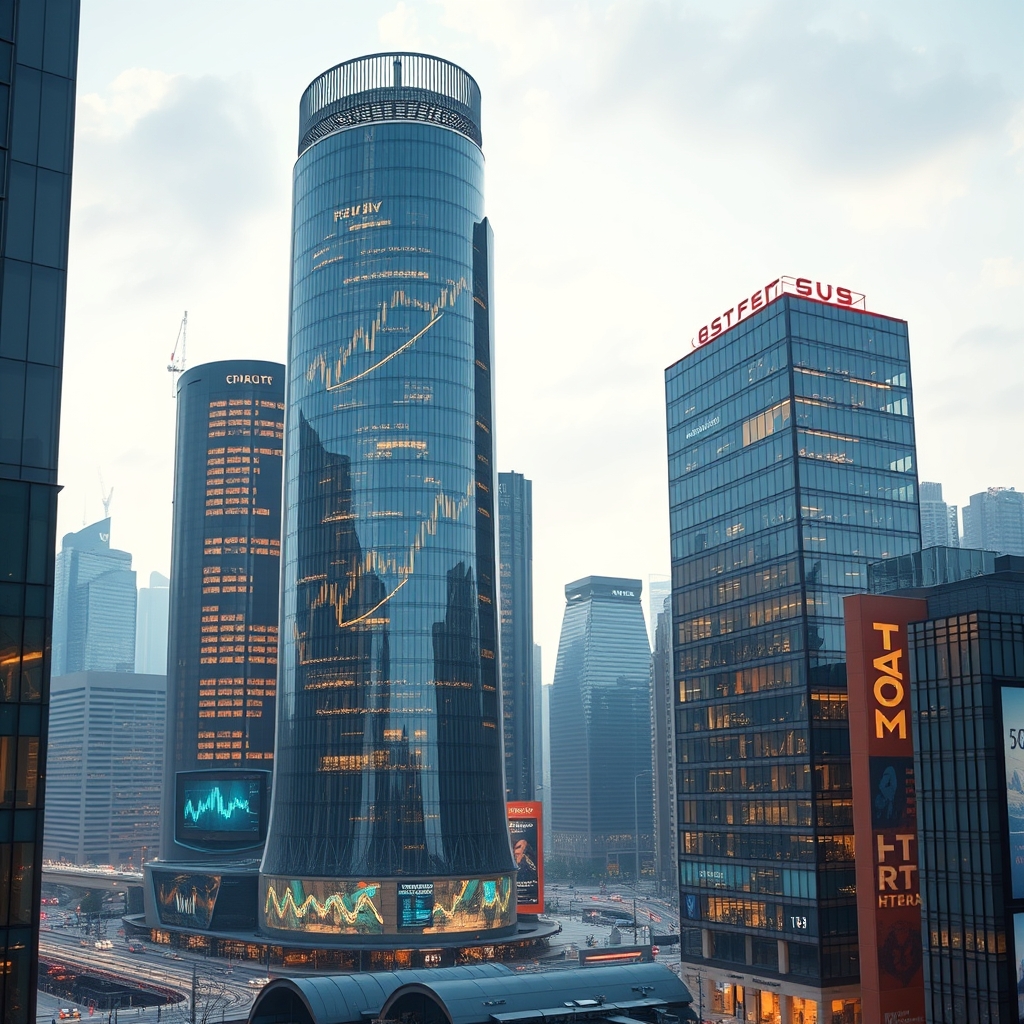
As the financial technology (fintech) industry continues to evolve, it's not hard to imagine why the intersection of fintech and art is gaining traction. The art market, long considered a bastion of exclusivity and unpredictability, is now being influenced by the same technological advancements that have transformed the way we invest and interact with our finances. This fusion of fintech and art has given rise to a new phenomenon: fintech art for FIRE (Financial Independence, Retire Early) savers.
The growth of the AI art market, in particular, has been remarkable. Powered by advances in artificial intelligence (AI) and machine learning, AI-generated art has seen a surge in popularity, with many of the world's top art galleries and auction houses now featuring AI-created pieces in their collections. The likes of Bloomberg and Morningstar have taken notice, highlighting the growing trend of AI art as a legitimate investment opportunity.
For FIRE savers in Alabama, the combination of fintech and art presents a tantalizing prospect. By leveraging fintech platforms and tools, investors can gain access to a wider range of art investment opportunities, including AI-generated art, which can be purchased and sold with ease. The benefits of this approach are twofold: not only can investors diversify their portfolios with a unique asset class, but they can also potentially earn higher returns than traditional investments.
However, as with any investment, there are risks to consider. Market volatility and AI bias are two significant concerns that FIRE savers in Alabama should be aware of. The art market is notorious for its unpredictability, and the rapid growth of the AI art market has led to concerns about market volatility. Additionally, AI bias can be a significant issue, as AI-generated art often relies on existing datasets and can perpetuate existing biases.
Another concern is the issue of art market authenticity and provenance. As AI-generated art becomes more prevalent, there is a growing risk that fake or manipulated art will enter the market. This not only undermines the integrity of the art market but also poses a significant risk to investors who may unknowingly purchase fake art.
Despite these risks, there is potential for long-term AI art appreciation. As the art market continues to evolve, AI-generated art is likely to become increasingly valuable. In fact, experts predict that AI-generated art will become a significant part of the art market in the coming years, with some predicting that it could even surpass traditional art in terms of value.
For Alabama residents, there are also tax implications to consider. As with any investment, investors should be aware of the tax implications of investing in AI art. It's essential to consult with a tax professional to ensure that you understand the tax implications of your investment.
Social responsibility is also an important consideration when it comes to AI art investments. As investors, we have a responsibility to ensure that our investments align with our values and promote positive social and environmental outcomes. In the case of AI art, this may involve investing in art that promotes diversity, inclusivity, and sustainability.
Finally, emerging trends in fintech art investing are worth noting. The use of blockchain technology, for example, is becoming increasingly popular in the art market, allowing for secure and transparent transactions. Additionally, the rise of online art marketplaces is making it easier for investors to buy and sell art, including AI-generated art.
In conclusion, the intersection of fintech and art presents a unique opportunity for FIRE savers in Alabama to diversify their portfolios and potentially earn higher returns. However, it's essential to be aware of the risks and considerations involved, including market volatility, AI bias, art market authenticity, and tax implications. By being informed and responsible investors, we can navigate the evolving art market and make informed decisions about our investments.
Pro Tip: When investing in AI art, it's essential to do your research and understand the artist's creative process, the technology used to generate the art, and the market demand for the art. This will help you make informed decisions and avoid potential pitfalls.
Chloe Mercier
The Long-Term Investor
Montreal based buy-and-hold strategist. Compound interest evangelist.